The Role of Religious Leaders in Building Inter-Religious Harmony in Multicultural Society
DOI:
https://doi.org/10.61650/ajis.v3i2.1182Keywords:
Religious Leaders, Interreligious Harmony, Multicultural Society, Structuration TheoryAbstract
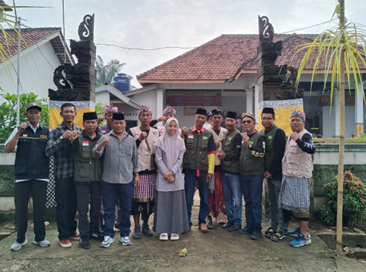
This research is motivated by the multicultural condition of Indonesian society with the potential for interreligious conflict, yet on the other hand there is a strong phenomenon of harmony in Bumi Raharjo Village, Bumi Ratu Nuban District, Central Lampung Regency. This study aims to analyze the condition of interreligious harmony and the role of religious leaders in building such harmony based on Anthony Giddens' structuration theory. The research uses a qualitative approach with field research type. Data collection techniques include observation, in-depth interviews, and documentation. Research informants include Islamic and Hindu religious leaders, village officials, and community members from various religious backgrounds. Data analysis was conducted through data reduction, data display, and conclusion drawing with validity testing using source and technique triangulation. The results show that interreligious harmony in Bumi Raharjo Village is manifested in the form of tolerance (mutual respect for worship), effective communication, and social cooperation (mutual cooperation, village activities, and cross-religious involvement of Karang Taruna). The role of religious leaders in structuration theory includes three dimensions: (1) signification, namely the formation of inclusive religious meaning through sermons and advice about tolerance; (2) domination, namely directing community social actions through role modeling and involvement in social activities; (3) legitimation, namely providing normative justification for harmonious practices as part of religious teachings. Supporting factors for harmony include high community awareness, harmonious social relations, village government support, and the active role of religious leaders. Inhibiting factors include differences in religious understanding, lack of tolerance education, and external influences such as hoaxes and interfaith families. This study concludes that religious leaders act as strategic structuration agents in creating and maintaining harmony in multicultural societies.
Downloads
References
Amtiran, A. A., & Kriswibowo, A. (2024). Kepemimpinan agama dan dialog antaragama. Jurnal Penelitian Agama Hindu, 8(3), 331-348. https://doi.org/10.37329/jpah.v8i3.3165
Ardhani, D. J., & Agusti, L. (2020). Jurnal Edukatif, VI(1).
Artariah. (2024). Strategi tokoh agama dalam membangun kerukunan antarumat beragama Indonesia. Jurnal Insan Pendidikan Dan Sosial Humaniora, 2(1), 176-188.
Azhar, P. (2020). The political structure of multicultural society: Kesetaraan dalam masyarakat multikultural. Asketik, 4(2), 210-220. https://doi.org/10.30762/ask.v4i2.2421
Ceweng, D., Diwek, K., & Jombang, K. (2023). Peran pemerintah desa dalam menjaga kerukunan umat beragama, 7(2), 1-9.
Cholil. (2023). International Journal of Islamicate Social, 2(2), 70-82.
Fadli, M. R. (2021). Memahami desain metode penelitian kualitatif. Humanika, 21(1), 33-54. https://doi.org/10.21831/hum.v21i1.38075
Filsafat, J. (2022). Resolusi konflik berbasis teologi Baku Bae Ambon (1999-2002), 212-235.
Giddens, A. (1984). The constitution of society: Outline of the theory of structuration. University of California Press.
Gondanglegi, K. U. A. K., Timur, J., Riset, B., & Nasional, B. (2024). Potret kerukunan antar umat beragama dalam bingkai moderasi beragama: Studi kasus di desa, 23(2), 291-310.
Hanggraito, A. A., Sumarwan, U., Iman, G., et al. (2021). Teknologi, Badan Pengkajian dan Penerapan. JSHP: Jurnal Sosial Humaniora Dan Pendidikan, 1(1), 282.
Hantari, N. F., Pitoewas, B., Putri, D. S., et al. (2025). Peran tokoh masyarakat terhadap kerukunan antar, 14(1).
Haryanto, J. T. (n.d.). Interaksi dan harmoni umat beragama, 20, 211-234.
Ilmiah, J., Mahasiswa, M., Pmi, P., Teungku, S., Meulaboh, D., Koresponden, I. E., & Sp-, G. T. (2025). Creative Commons Attribution-ShareAlike 4.0 International License, 2(1), 109-121.
Ismail, M., Ushuluddin, F., & Iain, D. (2023). Pemahaman moderasi beragama dan sikap intoleransi sosial, 1(2), 114-124.
Kamaluddin, M. (2022). Model pencegahan konflik antarumat beragama berbasis kegiatan masyarakat, 110-129.
Khasri, M. R. K. (2021). Strukturasi identitas umat beragama dalam, 15(1), 129-148.
Koto, H. H., Muzaki, I. A., & Kholifah, A. (2025). Pentingnya toleransi dan kerukunan antar umat beragama di Indonesia, 7(1), 14-19.
Krismiyanto, A., & Kii, R. I. (2023). Membangun harmoni dan dialog antar agama dalam masyarakat multikultural. Jurnal Review Pendidikan Dan Pengajaran (JRPP), 6(3), 238-244.
Lazuardi, F., Fauzi, A., Sultan, U., & Tirtayasa, A. (1854). A s i N, 2(1), 361-372.
Malahayati, N. (2024). Terdekat atau di rumah, tanpa menggunakan pengeras suara, dan dengan, 8(2), 45-58. https://doi.org/10.32832/komunika.v8i2.17821
Manado, K. (2024). Jurnal Interdisipliner Sosiologi Agama (JINSA), 4, 103-111.
Muttaqin, I. (2023). Konsep rukun pada masyarakat multikultural di desa Jrahi Kabupaten Pati. Toleransi: Media Komunikasi Umat Beragama, 15(2), 69-80.
Nasir. (2016). Pendekatan fenomenologi dalam penelitian kualitatif pengantar, 3, 4445-4451.
Nasution, A. F. (2023). Metode penelitian kualitatif. Bandung.
Nasution, A. S. (2022). Strategi membangun nilai-nilai toleransi antar umat beragama di Indonesia. Jurnal Pendidikan Dasar dan Sosial Humaniora, 2(1), 123-136.
Novianty, F. (2019). Pembinaan masyarakat multikultural dalam meningkatkan, 3, 226-237.
Novitasari, I. (2024). Peran pemuka agama dalam membangun moderasi dan pencegahan konflik diantara umat beragama di Kampung Sawah Bekasi. Syntax Literate: Jurnal Ilmiah Indonesia, 9(6), 3740-3755.
Nusa, L., & Barat, T. (n.d.). Jurnal Keislaman, (2), 78-89.
Parhan, M., Rindu, M., & Islamy, F. (2021). Media sosial dan fenomena hoax: Tinjauan islam dalam etika berkomunikasi, 5, 59-80. https://doi.org/10.15575/cjik.v5i1.12887
Pendidikan, J., Budaya, B., Sutiyoso, J., & Metro, K. (2024). Identitas dan toleransi: Konsep utama dalam rethinking multiculturalism, (December). https://doi.org/10.55606/jpbb.v3i4.4529
Prasitiya, A., Darmawan, C., & Assoburu, S. (2024). Peran tokoh agama dalam meningkatkan kerukunan umat beragama di Desa Metro Rejo. Pubmedia Social Sciences and Humanities, 1(3), 16. https://doi.org/10.47134/pssh.v1i3.180
Pratama, F. F., Pendidikan, U., & Indonesia, B. (2018). Jurnal Civics: Media Kajian Kewarganegaraan, 15(2).
Protestan, K. (n.d.). Fikri: Jurnal Kajian Agama, Sosial dan Budaya penanaman nilai moral dan sikap toleransi bagi keluarga beda agama.
Rianie, N. (n.d.). Pendekatan dan metode pendidikan islam (sebuah perbandingan dalam konsep teori pendidikan islam dan barat), 1(2), 105-117.
Rifai, B., Noviana, E., & Ramadhani, M. (2025). Peranan Karang Taruna dalam memperkuat solidaritas sosial masyarakat di Desa Sibuak, 11(September), 453-459.
Rizal, D. A., & Kharis, A. (n.d.). Dalam mewujudkan kesejahteraan sosial, 9182.
Rofikoh Sari, I. A., Romdloni, R., & Hasan, S. (2022). Pendidikan agama Islam berwawasan multikultural dalam menanamkan toleransi beragama siswa. Al-I'tibar: Jurnal Pendidikan Islam, 9(1), 35-41. https://doi.org/10.30599/jpia.v9i1.1466
Rohman, M. (2025). Kontribusi tokoh agama sebagai figur teladan dalam pendidikan karakter di lingkungan sekolah, 4(1), 19-30.
Rusydi, I., & Zolehah, S. (2018). Makna kerukunan antar umat beragama dalam konteks keislaman dan keindonesian. Journal for Islamic Studies, 1(1), 170-181. https://doi.org/10.5281/zenodo.1161580
Saefullah, U. (n.d.). Dinamika komunikasi dan kerukunan hidup antarumat beragama. Jurnal Penelitian Komunikasi.
Saputri, Y. H., & Prasetyo, Y. B. (2012). Social character and self concept in old year age. Jurnal Keperawatan, 3(2), 256-263.
Shihab, M. Q. (1996). Wawasan Al-Qur'an: Tafsir maudhu'i atas pelbagai persoalan umat. Mizan.
Shihab, M. Q. (2002). Tafsir Al-Misbah: Pesan, kesan, dan keserasian al-Qur'an. Lentera Hati.
Sugiyono. (2016). Analisis data kualitatif. Penerbit Pustaka Ramadhan.
Sulistyana, J. (2019). Peran pemuka agama dalam membangun toleransi antar umat beragama di Desa Sampetan Kecamatan Ampel Kabupaten Boyolali. Jurnal Pendidikan, Sains Sosial, Dan Agama, 5(1), 36-51.
Sulistyana, J., Sukarti, & Ngadat. (2019). Peran pemuka agama dalam membangun toleransi antar umat beragama di Desa Sampetan. Jurnal Pendidikan, Sains Sosial Dan Agama, (2), 36-51.
Susanto, D., Risnita, & Jailani, M. S. (2023). Teknik pemeriksaan keabsahan data dalam penelitian ilmiah. Jurnal QOSIM: Jurnal Pendidikan, Sosial & Humaniora, 1(1), 53-61. https://doi.org/10.61104/jq.v1i1.60
Syihabuddin, S. (2020). Strategi pemuka agama dalam menjaga toleransi antarumat beragama. Jurnal Dialog, 43(1), 77-89. https://doi.org/10.32488/dialog.v43i1.528
Tholkhah, I. (2019). Komunikasi sosial dan kerukunan umat beragama. Jurnal Dialog, 42(1), 33-35.
Thoyibbah, I. (2016). Makna kejahatan struktural korupsi dalam perspektif teori strukturasi Anthony Giddens. Jurnal Filsafat, 25(1), 134. https://doi.org/10.22146/jf.12617
Timur, J., Yudiana, I. K., Pardi, I. W., Asi, T., Karana, T. H., & Patra, K. (2017). Masyarakat multikultur di ujung timur pulau jawa (studi kasus di Desa Patoman, Blimbingsari), 6(2), 147-158.
Turama, A. R. (2016). Formulasi teori fungsionalisme struktural Talcott Parsons. Pengaruh Penggunaan Pasta Labu Kuning untuk Substitusi Tepung Terigu, 15(1), 165-175.
Ulya, I. (2016). Pendidikan Islam multikultural sebagai resolusi konflik agama di Indonesia. Fikrah, 4(1), 20. https://doi.org/10.21043/fikrah.v4i1.1663
Unayah, N. (2017). Gotong royong sebagai modal sosial dalam penanganan kemiskinan. Sosio Informa, 3(1).
Universitas Islam, N., Sayyid, & Rahmatullah, A. (2025). Peran tokoh masyarakat dalam deteksi dini konflik sosial untuk penguatan moderasi beragama, 24(1), 29-42.
Universitas Islam, N., Sunan, & Yogyakarta, K. (2023). Bentuk komunikasi dalam menciptakan kerukunan antar umat beragama (kajian fenomenologi di Desa Pembakulan), 11(1), 21-29. https://doi.org/10.18592/al-hiwar.v11i1.7880
Wahyuningsih, S. (2018). Pengajaran kosakata bahasa Arab siswa melalui media permainan pohon pintar. Al-Af'idah, II, 18-32.
Waruwu, M. (2023). Pendekatan penelitian pendidikan: Metode penelitian kualitatif, kuantitatif dan kombinasi. Jurnal Pendidikan Tambusai, 7(1), 2896-2910.
Wasil. (2016). Peran pemuka agama dalam memelihara kerukunan: Studi kasus hubungan Islam dan Katolik di Desa Pabian Kabupaten Sumenep (Tesis, UIN Syarif Hidayatullah Jakarta).
Yusanto, Y. (2020). Ragam pendekatan penelitian kualitatif. Journal of Scientific Communication (JSC), 1(1), 1-13. https://doi.org/10.31506/jsc.v1i1.7764
Zaenal, A. (2020). Metodologi penelitian pendidikan education research methodology. Jurnal Al-Hikmah, 1(1), 1-5.
Published
How to Cite
Issue
Section
License
Copyright (c) 2025 Tri Miratul Hasanah, Jaenullah Jaenullah, M. Agus Mushodiq

This work is licensed under a Creative Commons Attribution-ShareAlike 4.0 International License.