Islamic Educational Values in The Punggahan Tradition in Society
DOI:
https://doi.org/10.61650/ajis.v4i1.1148Keywords:
Islamic Educational Values, Punggahan Tradition, Local Wisdom, Kaliasin Village CommunityAbstract
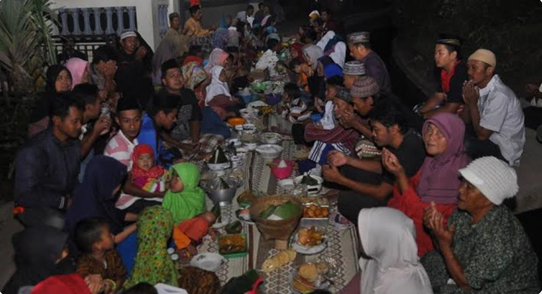
This study aims to analyze the Islamic educational values contained in the punggahan tradition and its contribution to the life of the community in Kaliasin Village, Tanjung Bintang District, South Lampung Regency. The punggahan tradition is a form of local wisdom practiced by Muslim communities in Indonesia, carried out before the arrival of Ramadan as an expression of gratitude and spiritual preparation. This research employs a qualitative approach with a descriptive research type. Data collection techniques include observation, in-depth interviews, and documentation involving religious leaders, community leaders, and local residents as informants. The data were analyzed through data reduction, data display, and conclusion drawing, with validity ensured through triangulation techniques. The findings reveal that the punggahan tradition in Kaliasin Village is implemented through several stages: grave visitation, religious gatherings and collective prayers, communal meals (kenduri), social interaction and mutual forgiveness, and environmental cleaning activities. Each of these stages reflects Islamic educational values, including aqidah (faith in Allah), ibadah (worship practices such as prayer, tahlil, and religious study), and akhlaq (moral values such as mutual forgiveness, cooperation, and togetherness). The contribution of Islamic educational values within the punggahan tradition is significant in shaping a religious, harmonious, and morally grounded society. This tradition serves not only as cultural heritage but also as an effective non-formal Islamic educational medium that instills spiritual, social, and moral values directly in community life.
Downloads
References
Abidin, A. M. (2021). Pendidikan moral dan relevansinya dengan pendidikan Islam. Jurnal Paris Langkis, 2(1), 57–67.
Al-Baihaqi, Z. I., Haironi, A., & Hilalludin, H. (2024). Strategi guru pendidikan agama Islam dalam membentuk karakter religius. Al-Ihda': Jurnal Pendidikan dan Pemikiran, 19(1), 1290–1295.
Al-Ghazali. (2005). Minhaj al-'Abidin. Beirut: Dar al-Kutub al-'Ilmiyyah.
Al-Maraghi, A. M. (1994). Tafsir al-Maraghi. Semarang: CV Toha Putra.
Anifah, N., & Yunus, Y. (2022). Integrasi konsep ta'dib Al-Attas dalam pembinaan karakter peserta didik pada masa pandemi. Dawuh Guru: Jurnal Pendidikan MI/SD, 2(1), 13–30. https://doi.org/10.1234/dawuh.v2i1.13
Anisa, R., et al. (2022). Pendidikan idaman dalam perspektif pendidikan Islam. Innovative: Journal of Social Science Research, 2(2), 180–184.
Ardiansyah, Risnita, & Jailani, M. S. (2023). Teknik pengumpulan data dan instrumen penelitian ilmiah pendidikan pada pendekatan kualitatif dan kuantitatif. Jurnal IHSAN: Jurnal Pendidikan Islam, 1(2), 1–9. https://doi.org/10.61104/ihsan.v1i2.57
Djalil, A. B. (2010). Ilmu Ushul Fiqih (Satu dan Dua). Jakarta: Kencana Prenada Media Group.
Edy, E., & Sari, I. P. (2022). Pendidikan Islam perspektif Syed Naquib Al Attas: Makna pendidikan Islam ta'dib serta klasifikasi ilmu. Edusifa: Jurnal Pendidikan Islam, 6(2), 174–192.
Fadli, M. R. (2021). Memahami desain metode penelitian kualitatif. Humanika, 21(1), 33–54. https://doi.org/10.21831/hum.v21i1.38075
Fadlilah, A. (2022). Tradisi punggahan dalam menyambut bulan Ramadhan (Studi living hadis pada masyarakat Islam Desa Wonokerto). El-Sunnah: Jurnal Kajian Hadis dan Integrasi Ilmu, 3(2), 21–37.
Faqihuddin, A., & Afriatien, A. T. S. (2021). Menakar integrasi Islam dan ilmu pengetahuan pada Sekolah Islam Terpadu. Talkim, 19(2), 113–124.
Ferrera, A. N. (2023). Konsep tarbiyah, ta'lim dan ta'dib dalam dunia pendidikan Islam. Jurnal Al-Fatih, 6(1), 91–108.
Fikrianoor, A. (2022). Nilai-nilai pendidikan Islam dalam tradisi punggahan Ramadhan di Desa Batu Meranti Kabupaten Tanah Bumbu [Skripsi, UIN Antasari Banjarmasin].
Habibie, M. L. H., et al. (2021). Moderasi beragama dalam pendidikan Islam di Indonesia. MODERATIO: Jurnal Moderasi Beragama, 1(1), 121–141.
Hadi, S. (2022). Peranan guru PAI dalam penanaman nilai-nilai karakter Islami melalui pembiasaan pada siswa SMP Negeri 10 Mukomuko-Bengkulu. Urwatul Wutsqo: Jurnal Studi Kependidikan dan KeIslaman, 11(1), 81–96.
Hakim, L. (2022). Menguatkan iman kepada Allah SWT sebagai asas pendidikan aqidah Islam. Salimiya: Jurnal Studi Ilmu Keagamaan Islam, 3(3), 91–109.
Halimah, S. N., & Shalahuddin, S. (2023). Penanaman nilai-nilai pendidikan Islam multikultural melalui kajian kitab kuning dalam membangun keharmonisan sosial santri. Al-Miskawaih: Journal of Science Education, 2(1), 155–176.
Haris, A. (2021). Ilmu pengetahuan dalam perspektif pendidikan agama Islam. Bacaka: Jurnal Pendidikan Agama Islam, 1(1), 1–11.
Hasan al-Banna. (n.d.). Risalah Ta'lim. Kairo: Dar al-Tauzi' wa al-Nasyr al-Islamiyyah.
Helandri, J., & Supriadi, S. (2024). Implementasi nilai-nilai pendidikan Islam dalam konteks modern: Tinjauan terhadap praktik dan tantangan. TA'LIM: Jurnal Studi Pendidikan Islam, 7(1), 93–116.
Ihsanudin, N. (2022). Pendidikan Islam dalam perspektif hadits: Kajian konsep al-tarbiyah, al-ta'lim, al-ta'dib dan al-tazkiyah. Al-Ihda': Jurnal Pendidikan dan Pemikiran, 17(2), 795–803.
Kamalia, D. N., & Hidayah, F. (2022). Kontekstualisasi nilai-nilai akidah dan akhlak dalam novel Diary Ungu Rumaysha karya Nisaul Kamilah terhadap materi akidah akhlak Madrasah Aliyah. Tarbiyatuna Kajian Pendidikan Islam, 6(1), 63–79.
Khanip, A., & Ikhrom, I. (2023). Pengaruh spiritualitas dan kreatifitas terhadap kinerja guru akidah akhlak. Permata: Jurnal Pendidikan Agama Islam, 4(2), 252–270.
Mahmudin, A. S. (2021). Pendekatan fenomenologis dalam kajian Islam. At-Tajdid: Jurnal Pendidikan dan Pemikiran Islam, 5(1), 83. https://doi.org/10.24127/att.v5i01.1597
Maskhuroh, L. (2021). Ta'lim dalam Al-Quran (Kajian tafsir tematik dalam Al-Quran). Irsyaduna: Jurnal Studi Kemahasiswaaan, 1(3), 318–331.
Maulidin, S., Umayah, N. V., & Nuha, U. (2025). Revitalisasi pendidikan karakter KH. Hasyim Asy'ari dalam kitab Adāb al-'Ālim wa al-Muta'allim. JURNAL PENDIDIKAN DAN ILMU SOSIAL (JUPENDIS), 3(1), 301–315.
Mujib, A. (2023). Nilai-nilai pendidikan agama Islam dalam dakwah kultural di Pulau Jawa. Al Kasyaf (Jurnal Pendidikan dan Dakwah), 1(1), 11–17.
Nabila, D. P. (2024). Nilai-nilai pendidikan Islam dalam tradisi "punggahan" pada masyarakat Dusun Makmur Desa Pematang Seleng Kecamatan Bilah Hulu Kabupaten Labuhan Batu [Skripsi, UIN Syekh Ali Hasan Ahmad Addary Padangsidimpuan].
Nasir. (2016). Pendekatan fenomenologi dalam penelitian kualitatif pengantar. Jurnal Penelitian, 3, 4445–4451.
Nasution, A. F. (2023). Metode Penelitian Kualitatif. Bandung: Penerbit.
Nasution, N. A. I. A., & Masyithoh, S. (2024). Integrasi akhlak dalam dimensi spiritual, teologis, syariat, pendidikan, dan filosofis. Tahdzib Al-Akhlaq: Jurnal Pendidikan Islam, 7(1), 120–133.
Neha, A. (2023). Hakikat tarbiyah dan ta'lim dalam Al-Qur'an. Al Burhan: Jurnal Kajian Ilmu dan Pengembangan Budaya Al-Qur'an, 23(1), 16–24.
Nursalim, E., Satriah, S., & Hasan, H. (2024). Pendampingan tradisi yasinan dan tahlilan dalam membentuk sikap berbakti kepada orang tua di Musholla Miftahul Ulum Sangatta. Al Khidma: Jurnal Pengabdian Masyarakat, 4(2), 68–80.
Ramadhani, S. A. Z., & Abdoeh, N. M. (2020). Tradisi punggahan menjelang Ramadhan. Al-Mada: Jurnal Agama, Sosial, dan Budaya, 3(1), 51–65. https://doi.org/10.1234/almada.v3i1.51
Rosyad, A. (2022). Terminologi ta'dib dalam perspektif Syed Mohammad Naquib Al-Attas. Journal of Innovation Research and Knowledge, 1(10), 1177–1186.
Rukin. (2021). Metodologi Penelitian Kualitatif (Revisi). Surabaya.
Sari, M., Ismail, F., & Afgani, M. W. (2023). Pembiasaan nilai-nilai keagamaan sebagai kunci pembentukan karakter religius. Adiba: Journal of Education, 3(3), 380–388.
Shihab, M. Q. (2002). Tafsir al-Misbah. Jakarta: Lentera Hati.
Sirojuddin, M., & Bakar, M. Y. A. (2023). Dinamika pemikiran dan respon Hasan Langgulung terhadap paradigma pendidikan Islam. Pekerti: Journal Pendidikan Islam dan Budi Pekerti, 5(1), 31–47.
Somad, M. A. (2021). Pentingnya pendidikan agama Islam dalam membentuk karakter anak. QALAMUNA: Jurnal Pendidikan, Sosial, dan Agama, 13(2), 171–186.
Sugiyono. (2016). Penerbit Pustaka Ramadhan, Bandung. Analisis Data Kualitatif, 180.
Surawardi, & Fikrianoor, A. (2023). Nilai-nilai pendidikan Islam dalam tradisi punggahan. Jurnal Pendidikan Agama Islam, 6(1), 2–3.
Susanto, D., Risnita, & Jailani, M. S. (2023). Teknik pemeriksaan keabsahan data dalam penelitian ilmiah. Jurnal QOSIM: Jurnal Pendidikan, Sosial & Humaniora, 1(1), 53–61. https://doi.org/10.61104/jq.v1i1.60
Waruwu, M. (2023). Pendekatan penelitian pendidikan: Metode penelitian kualitatif, metode penelitian kuantitatif dan metode penelitian kombinasi. Jurnal Pendidikan Tambusai, 7(1), 2896–2910.
Yanti, R., & Rodiah, I. (2024). Pentingnya peran pemerintah dalam pelestarian tradisi punggahan. Jurnal Ilmiah Sosiologi Agama (JISA), 7(2), 127–139.
Yusanto, Y. (2020). Ragam pendekatan penelitian kualitatif. Journal of Scientific Communication (Jsc), 1(1), 1–13. https://doi.org/10.31506/jsc.v1i1.7764
Zahra, A. S., et al. (2024). Integrasi tarbiyah, ta'lim dan ta'dib: Pilar utama pendidikan Islam. Jurnal Multidisiplin Ilmu Akademik, 1(6), 33–48.
Zaenal, A. (2020). Metodologi penelitian pendidikan education research methodology. Jurnal Al-Hikmah, 1(1), 1–5.
Published
How to Cite
Issue
Section
License
Copyright (c) 2026 Budi Pangas Tuti, Imam Syafe’i, M. Sayyidul Abrori

This work is licensed under a Creative Commons Attribution-ShareAlike 4.0 International License.