The Application of Magic Words Habituation (Please, Thank You, Sorry, and Excuse Me) in Building Character of Children Aged 5-6 Years
DOI:
https://doi.org/10.61650/ajme.v4i2.1218Keywords:
Magic Words Habituation, Polite Character, Early ChildhoodAbstract
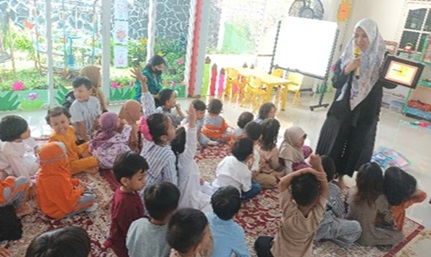
Based on the problems identified at KB/TK AZ-Zaitun Bekasi, the polite character of children aged 5-6 years still needed improvement. This was evident from the fact that many children were not accustomed to saying "please," "thank you," "sorry," and "excuse me" in their daily interactions. Therefore, this study aimed to build children's polite character through the habituation of magic words in learning activities and daily school routines. The study focused on developing polite character in children aged 5-6 through the habituation of using the words "please," "thank you," "sorry," and "excuse me." The participants of this study were 10 children in Group B aged 5-6 years at KB/TK AZ-Zaitun Bekasi. This research employed the Classroom Action Research model of Kemmis and McTaggart, conducted in two cycles. Data were collected through observation, documentation, and field notes. The success criterion of this study was set at a minimum achievement of 80% in the development of children's polite character. The findings showed that the habituation of magic words was effective in building polite character among children aged 5-6 years. The observation results increased from 20.00% in the pre-cycle to 50.00% in cycle I and reached 80.00% in cycle II. These findings indicate that the consistent habituation of using the words "please," "thank you," "sorry," and "excuse me" can help children develop polite behavior in their daily lives.
Downloads
References
Alifah. (2021). Implementasi Metode Pembiasaan Berkata Tolong, Maaf, Terima Kasih Untuk Pembentukan Karakter Pada Anak 5-6 Tahun Di TK Islam Dzakra Lebah Madu. https://doi.org/10.31604/ptk.v4i3.390-403
Andini, Z. R. (2024). Habituation of the four magic words in implementing polite and courteous morals in early childhood (5-6 years). Hawapsga: Jurnal Studi Pengarus Utamaan Gender dan Anak, 6(2), 190-195. http://dx.doi.org/10.29300/hawapsga.v6i2.6474
Andrianto, D., & Kurniawan, W. (2025). The Character of Early Childhood Education: Perspectives of Ki Hajar Dewantara and Maria Montessori. Jurnal Obsesi: Jurnal Pendidikan Anak Usia Dini, 9(1), 117–129. https://doi.org/10.31004/obsesi.v9i1.6316
Angkur, M. F. M., Tinding, T., & Bora, I. F. R. (2026). The implementation of the habituation method at Kisol Public Kindergarten as an effort to develop polite character in six-year-old children. In Proceedings of the 5th International Conference on Education, Humanities, Health and Agriculture (ICEHHA 2025). EAI. https://doi.org/10.4108/eai.11-12-2025.2363080
Aprily, N. M., Rosidah, A. K., & Hashipah, H. (2023). Maaf, terima kasih, tolong dan permisi: Empat kata ajaib dalam pembentukan karakter sosial anak. As-Sibyan: Jurnal Pendidikan Anak Usia Dini, 8(1), 123-132.
Astuti, D., Pratiwi, I. A., & Suryani, N. (2023). Magic words habituation to build early childhood polite behavior. Jurnal Obsesi: Jurnal Pendidikan Anak Usia Dini, 7(6), 7301-7312. https://doi.org/10.31004/obsesi.v7i6.5270
Azzahro, L., Hayati Nufus, F., Putri Andini, C., & Watini, S. (2024). Implementasi Model "ASYIK" dalam Mengembangkan Semangat Belajar Anak Usia Dini pada RA Puspa Pertiwi. http://Jiip.stkipyapisdompu.ac.id
Cahya, S. A., & Siregar, Mhd. F. Z. (2024). Eksplorasi Peran Lingkungan Sosial Dan Pola Asuh Orang Tua Dalam Pembentukan Karakter Anak Usia Dini. CAHAYA: Journal of Research on Science Education, 2(1), 26–36. https://doi.org/10.70115/cahaya.v2i1.145
Chung, F. M. Y. (2023). Implementing moral and character education policy through music integration: Perspectives of school leaders in Hong Kong. Cogent Education, 10(2), Article 2286416. https://doi.org/10.1080/2331186X.2023.2286416
Dagtan, E. (2025). Politeness strategies in classroom requests: A study of bilingual preschoolers in Turkey. In Socio-Cultural and Linguistic Perspectives on Language and Literacy Development (pp. 112-134). IGI Global. https://doi.org/10.4018/979-8-3373-0964-4.ch003
Fajarini, A., & Fauzi. (2023). Pembentukan Karakter Anak Didik RA (Raudhatul Athfal) Melalui Pembiasaan "Kata Ajaib." Jurnal Pelita PAUD, 7(2), 459–468. https://doi.org/10.33222/pelitapaud.v7i2.3112
Fatriani, F., & Rini, M. (2024). The influence of modeling and habituation methods on improving the polite character of young children. Jurnal Pendidikan Usia Dini, 18(1), 55-68.
Hasanah, U. (2022). Habituation and modeling methods in shaping early childhood character. Jurnal Golden Age, 6(1), 45-56.
Ida Nurhayati, Y. Hidayat, Lastari, N. Kurniasih, & Susi S. (2024). Implementasi Pembiasaan Berkata "Tolong", Maaf, "Terimakasih" dan Permisi, Dalam Pembentukan Karakter Anak Usia 5-6 Tahun Di Kober Srtika Asih. https://ejournal.stai-
Kasmir, E., Syamsuddin, & Marjani, B. (2026). Fostering early childhood moral development through the habituation method in preschool. Jurnal Tematik, 12(1). https://doi.org/10.26858/tematik.v12i1.12896
Khofifah, N. (2022). Character cultivation in early childhood through habituation and role modeling. Jurnal Pendidikan Anak Usia Dini, 8(2), 112-125.
Larose, M. P., Ouellet-Morin, I., Vergunst, F., Vitaro, F., Girard, A., & Tremblay, R. E. (2021). Examining the impact of a social skills training program on preschoolers' social behaviors: A cluster-randomized controlled trial in child care centers. Child Development, 92(3), 1015-1030. https://doi.org/10.1111/cdev.13542
Lestari, I., & Aryanti, Z. (2024). Application of habituation and singing methods in forming character religious and moral values in early childhood. Journal of Islamic Education Students (JIES), 4(1), 107-119. https://doi.org/10.31958/jies.v4i1.12287
Lestari, P., Hidayat, N., & Nugroho, A. (2022). The role of habituation in shaping children's personality. Journal of Early Childhood Development, 7(3), 134-147.
Nisa, S., Puspitasari, I., & Arifin, S. (2025). Habit of applying magic words (excuse me, please, sorry and thank you) in supporting the character of early childhood in Little Star Kindergarten. Al Qalam: Jurnal Ilmiah Keagamaan dan Kemasyarakatan, 19(3). https://doi.org/10.35931/aq.v19i3.4471
Nofianti, F. R., & Suharto, A. W. B. (2022). Characters of early childhood manners in the storybook Permisi. International Proceedings of Nusantara Raya, 1(1). https://doi.org/10.24090/nuraicon.v1i1.133
Nurhayati, I. (2024). Implementasi pembiasaan berkata 'tolong', 'maaf', 'terima kasih', dan 'permisi' dalam pembentukan karakter anak usia 5-6 tahun di Kober Sartika Asih. Al-Urwatul Wutsqo: Jurnal Ilmu Keislaman dan Pendidikan, 5(1). https://doi.org/10.62285/alurwatulwutsqo.v5i1.88
Pangesti, W., & Aerin, S. (2023). Pembiasaan penggunaan kata santun dalam interaksi sosial anak. Jurnal Pendidikan dan Pengembangan Anak, 4(2), 99-112.
Prasetyo, B., & Sutrisno, A. (2023). Character education through habituation of magic words in kindergarten. Jurnal Ilmiah Pendidikan Anak Usia Dini, 7(3), 210-225.
Pronina, M., Hübscher, I., Holler, J., & Prieto, P. (2021). Interactional training interventions boost children's expressive pragmatic abilities: Evidence from a novel multidimensional testing approach. Cognitive Development, 58, 101003. https://doi.org/10.1016/j.cogdev.2021.101003
Putri, L. S. (2024). Habituation of the four magic words in implementing polite and courteous morals in early childhood (5-6 years). Hawapsga: Jurnal Studi Pengarus Utamaan Gender dan Anak, 6(2), 190-195. http://dx.doi.org/10.29300/hawapsga.v6i2.6474
Putrihapsari, R., & Dimyati, D. (2021). Formation of polite character in early childhood through continuous habituation. Jurnal Obsesi: Jurnal Pendidikan Anak Usia Dini, 5(2), 1680-1692. https://doi.org/10.31004/obsesi.v5i2.988
Rochmah, L. N., & Widayati, P. (2025). Implementasi pembiasaan bahasa Jawa dalam membentuk karakter sopan santun pada anak usia dini. Preschool: Jurnal Pendidikan Anak Usia Dini, 6(1), 39-50. https://doi.org/10.35719/preschool.v6i1.157
Samsinar, S., Fatimah, F., Syamsuddin, A., & Dewantara, A. H. (2023). Character development model for early childhood learners at Islamic kindergarten. Didaktika: Jurnal Kependidikan, 17(1). https://doi.org/10.30863/didaktika.v17i1.5122
Sari, A. P., Istiyani, D., & Muslam. (2024). Internalizing character education and moral values through 3S habituation (smile, greeting, and salutation) in early childhood education. Jurnal Tematik, 11(2). https://doi.org/10.26858/tematik.v11i2.11010
Tasya, L., & Sitorus, A. S. (2025). Pembentukan Karakter Sopan Santun Pada Anak Usia 4-5 Tahun. Jurnal Caksana: Pendidikan Anak Usia Dini, 8(1), 344–352. https://doi.org/10.31326/jcpaud.v8i1.2252
Watini, S. (2024). Peran Program Kelas dalam Membina Literasi Sains pada Anak Usia Dini. Jurnal Mentari, 2(2), 176–187. https://journal.pandawan.id/mentari/article/view/490
Widiastuti, R., Fadliyah, N. N., Fitriawati, S., Rahma, A. F., & Watini, S. (2024). Implementasi Model "ASYIK" dalam Menumbuhkan Semangat Belajar pada Kelompok B di RA PUSPA PERTIWI Lubang Buaya. http://Jiip.stkipyapisdompu.ac.id
Witasari, R., & Wiyani, N. A. (2022). Pembentukan karakter ramah melalui pembiasaan senyum, sapa, salam, sopan, santun (5S) pada anak usia dini. ASGHAR: Jurnal Pendidikan Anak Usia Dini, 3(1), 23-36.
Yusrafiddin, Murniasih, C., Juhana, & Ismail, M. R. (2026). Promoting religious and moral values in early childhood: A quasi-experimental study of multisensory Five Magic Words habituation. Golden Age: Jurnal Ilmiah Tumbuh Kembang Anak Usia Dini, 11(2), 443-456. https://doi.org/10.14421/jga.2026.112-13
Published
How to Cite
Issue
Section
License
Copyright (c) 2026 Rini Widiastuti, Sri Watini, Agustin Hamidah

This work is licensed under a Creative Commons Attribution-ShareAlike 4.0 International License.